
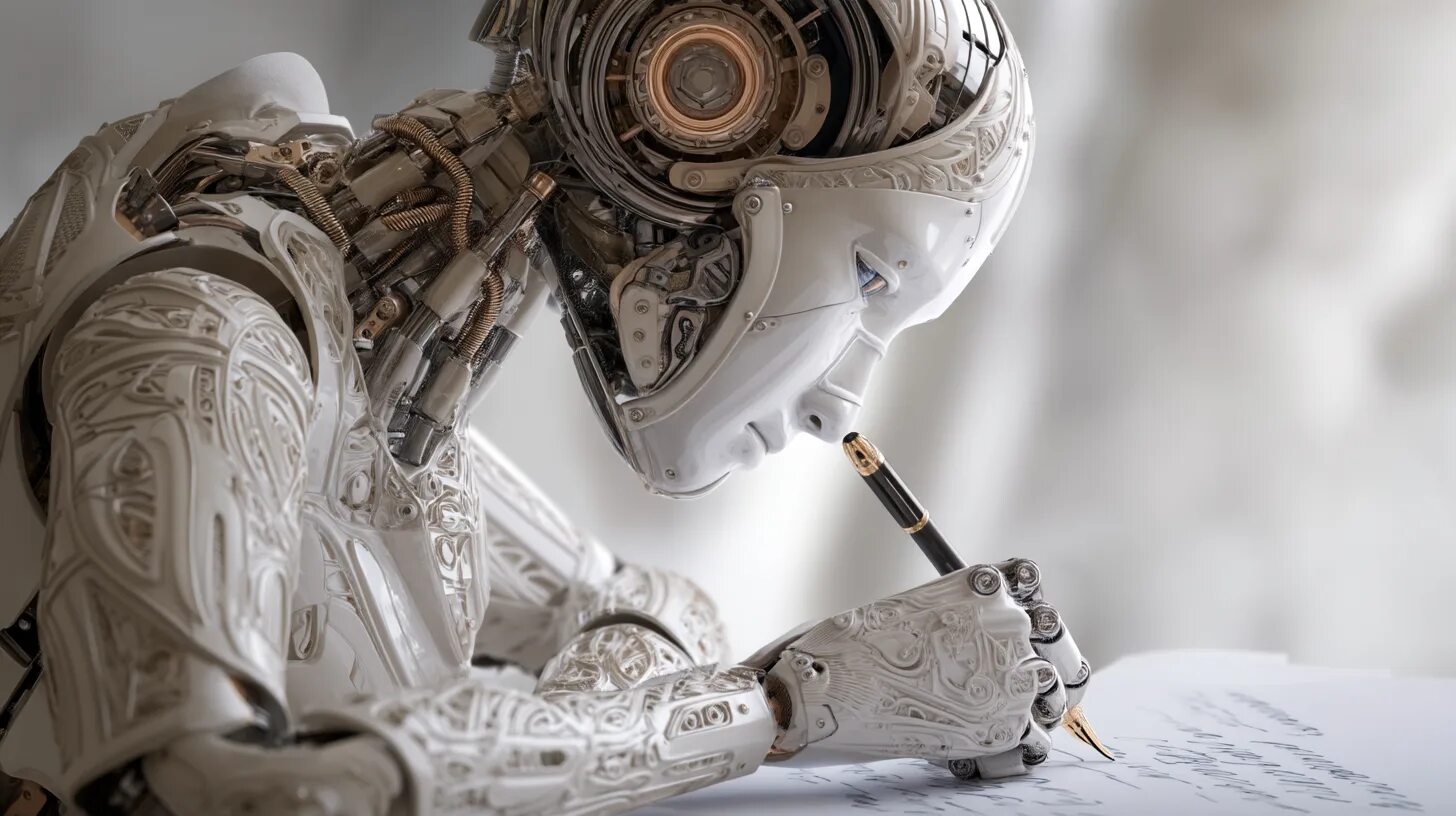
American politicians are increasingly using ChatGPT and Claude to draft legislative initiatives. Lawmakers expected to save time, but instead encountered significant drawbacks. Neural network models can confuse grants, loans, and tax credits, miss subtle legal nuances, and often overlook differences in legislation across various states.
The problems are not limited to errors. Authors who rely heavily on ready-made AI-generated text may spend less time examining the context and developing sufficient expertise on the subject. To address this issue, the U.S. is looking to automate the review of incoming legislative proposals.
The project has been named the "Comparative Print Documentation Complex". The system will allow new proposals to be cross-referenced with existing laws. Unlike ordinary chatbots, it will not attempt to make up answers but will instead flag errors, contradictions, and inconsistencies.