
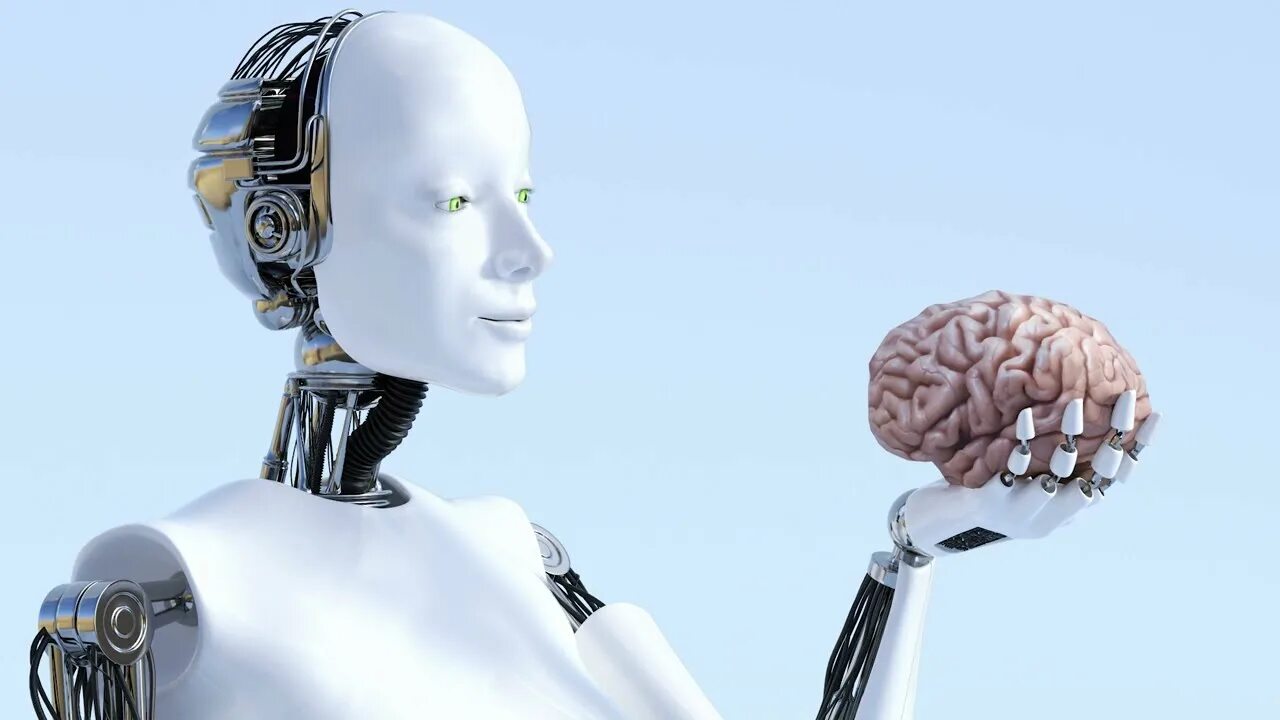
A team of scientists and researchers from the Okinawa Institute of Science and Technology has developed a project featuring virtual robots with a neural network inspired by the human brain. The system introduces a built-in "curiosity reward" mechanism that encourages the robots to explore unfamiliar objects and environments. As a result, the models began interacting with new entities on their own, allowing them to acquire language skills much faster. On a set of 48 linguistic constructs, they successfully completed new tasks in 25% of cases, while on a set of 180 constructs, their success rate increased to 85%.
The robots followed a learning pattern similar to that of children. They initially mastered basic commands, then struggled with exceptions, and eventually learned the underlying rules. The researchers compared this process to the U-shaped learning curve commonly observed in children studying irregular verbs, where early success is followed by a temporary decline before performance improves again.
Unlike most modern language models, such as ChatGPT, this system is transparent. Scientists can observe how the robots make decisions, form plans, and determine what to explore next. While these systems do not learn exactly as children do, the experiment demonstrates that curiosity-driven behavior can significantly accelerate the acquisition of new skills.