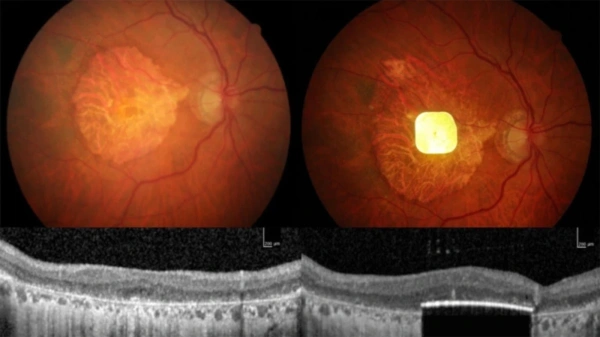
Researchers around the world are actively integrating AI technologies into medicine. Scientists from University College London have developed the PRIMA eye implant, which restores vision to patients. The device is a microchip measuring just 2x2 millimeters and can be implanted under the retina in less than two hours. After the procedure, patients use augmented reality glasses equipped with a camera connected to a mini-computer. AI converts visual data into electrical impulses that the brain interprets as sight. As a result, 84% of patients were able to distinguish letters after the technology’s integration. Meanwhile, a team from the University of California, Davis has created a brain–computer interface that helps restore speech in patients with amyotrophic lateral sclerosis (ALS). The system uses four microelectrode arrays implanted in the brain to capture neural activity. The algorithm then converts these signals into speech within 0.025 seconds, allowing some patients even to sing.

US-DATAData Annotation
Cabinet