
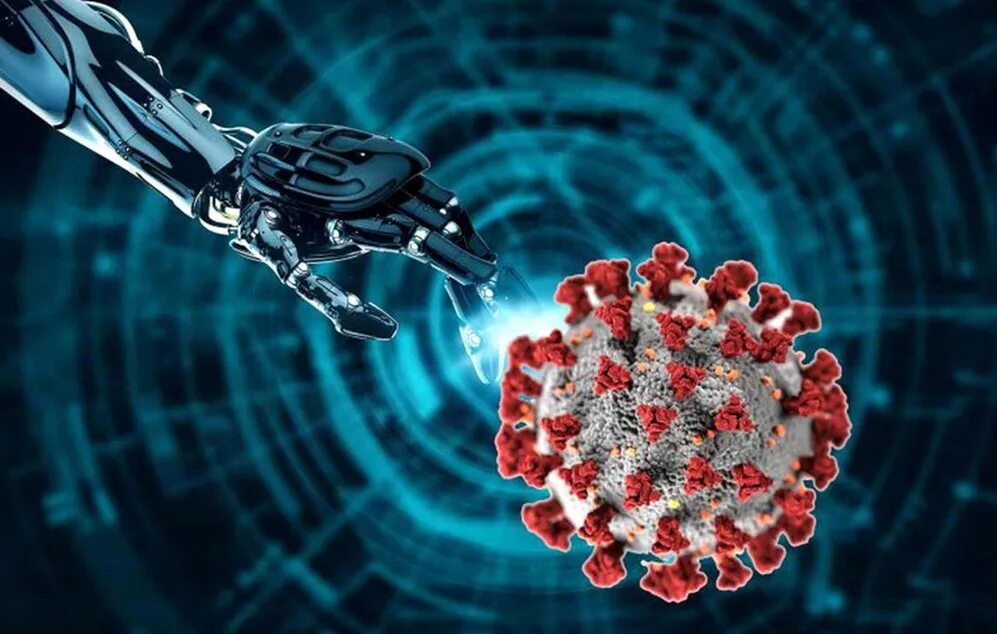
Scientists at the Arc Institute in Palo Alto trained the Evo genomic model on the DNA of hundreds of thousands of pathogens commonly found in the environment. As a result, the model learned to generate entirely new viral sequences. In total, 700,000 variants were generated, after which 300 were selected and assembled in the laboratory.
Sixteen of the synthetic viruses proved viable: they were able to infect the target cells and overcome the natural defenses of two strains of E. coli.
The results of the project could help researchers study evolution and develop new ways of programming living systems. However, alongside these scientific opportunities comes a troubling question: what will happen when tools like these become widely accessible? Some experts are already calling for international oversight mechanisms and biosecurity regulations to be established.